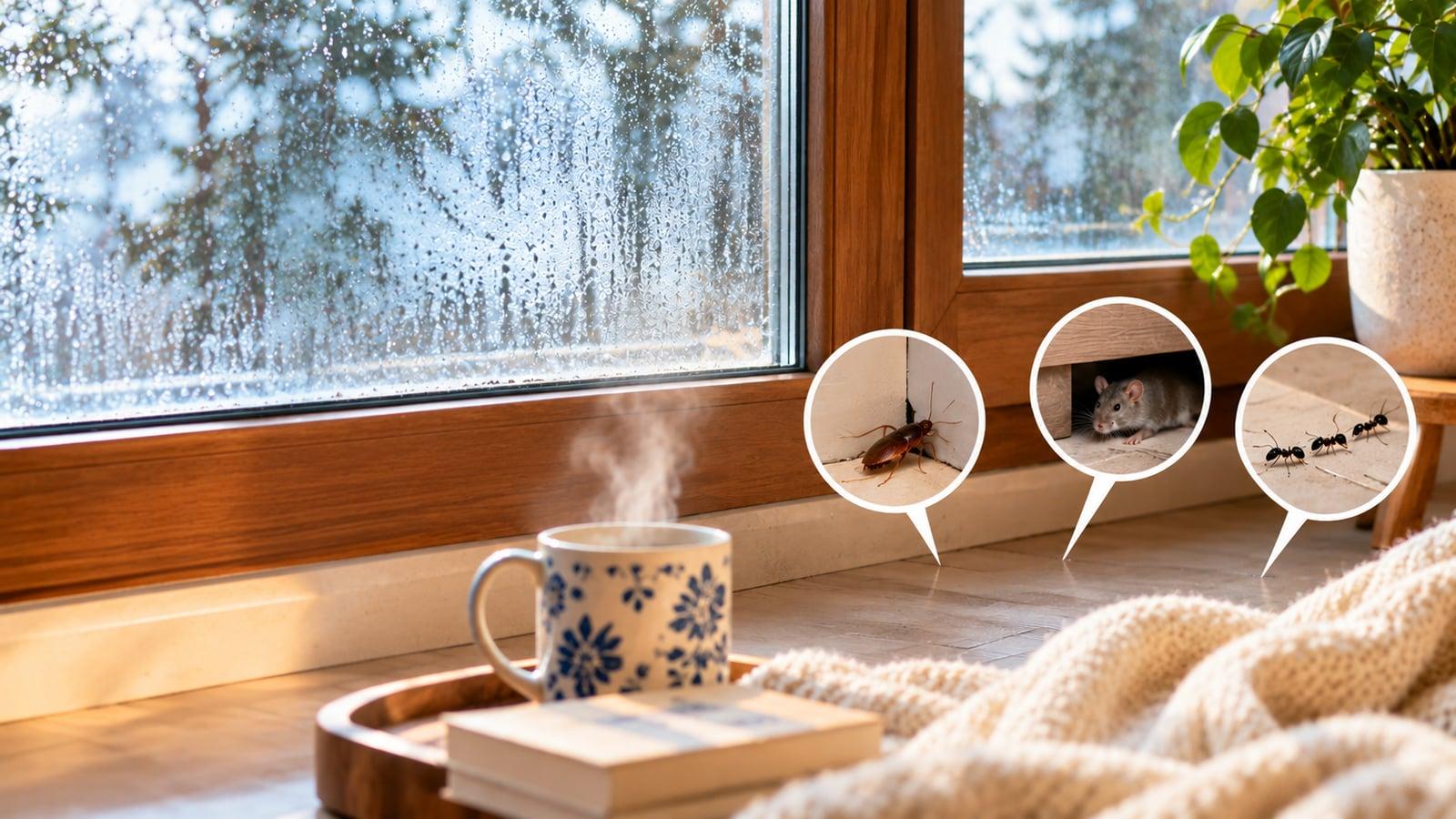

Every Mumbai home has its own Diwali cleaning routine. Lofts get emptied, refrigerators are moved, curtains come down, and cupboards that have remained untouched since last Diwali finally get cleaned.
But there is one important thing many homeowners overlook: hidden pest activity.
Diwali cleaning is an ideal time to inspect areas where cockroaches, termites, rats, ants and other household pests may hide. Knowing where to look can help you identify early warning signs and decide when professional pest control may be necessary.
These Diwali cleaning tips focus on seven commonly overlooked hiding places to check before you finish.
1. Behind and Under the Refrigerator
The warm area behind a refrigerator and the crumbs that collect underneath can attract cockroaches. Since these spaces are rarely cleaned during everyday routines, pest activity can go unnoticed.
Look for:
- Small, dark droppings.
- Brown, capsule-shaped cockroach egg cases.
- A persistent musty smell.
- Live cockroaches around the appliance.
What to do:
Move the refrigerator safely according to the manufacturer's instructions. Vacuum accessible areas and remove food debris. If you find repeated signs of cockroach activity or multiple egg cases, consider a professional inspection. Cleaning alone may not eliminate an established infestation.
2. Kitchen Trolleys, Sink Cabinets and Gas Pipe Gaps
Modular kitchen channels, spaces behind the sink and gaps around pipes can become cockroach hiding places. Leaking plumbing and leftover food can make these areas particularly attractive.
Look for:
- Cockroaches emerging when drawers open.
- Droppings in kitchen trolley corners.
- Damp or damaged wood beneath the sink.
- Gaps around pipes and wall openings.
What to do:
Clean accessible cabinet surfaces, repair leaks, dry damp areas and seal suitable gaps around pipes. Cockroaches appearing during daylight can indicate significant activity, although their presence alone does not establish the size of an infestation.
If cockroaches continue appearing, professional cockroach control may be needed.
3. The Loft (Mala)
Old cartons, newspapers, suitcases and unused household items stored in the loft can provide shelter for rodents and other pests.
Look for:
- Rodent droppings.
- Shredded paper or cloth.
- Gnaw marks on boxes or wires.
- Nesting material or unusual smells.
What to do:
Declutter the loft and inspect stored items carefully. Avoid handling suspected rodent droppings with bare hands. Do not dry-sweep or vacuum them. Follow appropriate disinfection and safe-cleanup guidance; heavy contamination may require professional cleanup.
If you notice repeated droppings or gnaw marks, arrange a professional rodent inspection.
4. Wardrobes and Wooden Furniture
Termites and wood-boring insects can damage wooden wardrobes, cupboards and furniture. Dampness and moisture problems may increase the risk of certain pest issues.
Look for:
- Thin mud tubes along walls or cupboards.
- Wood that sounds hollow when tapped.
- Fine wood powder beneath furniture.
- Discarded wings near windows.
What to do:
Inspect the backs and lower sections of wooden furniture, especially near damp walls. Address moisture problems and seek a professional termite assessment if you notice mud tubes or wood damage.
Simply scraping away termite mud tubes does not resolve the underlying infestation. Early inspection can help limit damage and repair costs.
5. Bathroom Drains and Building Ducts
In many Mumbai apartment buildings, pests may move through plumbing gaps, drain openings and building service ducts. Recurring pest activity may sometimes involve shared building areas.
Look for:
- Cockroaches near floor drains, particularly at night.
- Persistent unpleasant drain odours.
- Small flies around sinks.
- Damaged drain covers or window screens.
What to do:
Keep suitable drain covers in place, clean drains appropriately and repair damaged screens or gaps. Never mix cleaning chemicals.
If pests are affecting multiple flats, inform the building management or housing society. Coordinated inspection may be needed to address shared entry points.
6. Puja Rooms and Mithai Storage
During Diwali, sweets, prasad and faral can attract ants and other food-seeking pests. Even small crumbs can encourage ant activity.
Look for:
- Ant trails along shelves or skirting boards.
- Ants inside food containers.
- Crumbs around puja shelves.
- Insects around uncovered sweets.
What to do:
Store mithai and faral in airtight, food-safe containers. Keep prasad covered, wipe away crumbs and clean shelves with a suitable surface cleaner.
If you use vinegar, ensure it is suitable for the surface and never mix it with bleach or other cleaning chemicals.
If ants keep returning, identify their entry points rather than simply wiping away visible trails.
7. Sliding Windows, AC Units and Balcony Corners
Sliding window tracks, balcony corners and spaces around air-conditioning units can collect dust, moisture and debris. Standing water in balcony plant trays can also create mosquito breeding opportunities.
Look for:
- Insect activity around window channels.
- Droppings on window ledges.
- Damaged window screens.
- Standing water in plant trays.
- Cobwebs and accumulated debris.
What to do:
Clean accessible window tracks and balcony corners, repair damaged screens and remove standing water from containers. Avoid dismantling electrical or mechanical components yourself.
If you find unfamiliar eggs or persistent pest activity, arrange an appropriate inspection rather than guessing the pest species.
Should You Book Pest Control Before or After Diwali Deep Cleaning?
The ideal timing depends on the pest problem and the treatment method. The most useful Diwali cleaning tips are about order: declutter first, arrange an inspection or treatment where necessary, and complete the remaining deep cleaning according to the technician's instructions.
Follow this sequence:
- Declutter: Empty the loft and clear old cartons, newspapers and unused items.
- Inspect and treat: Arrange professional pest control if the inspection indicates that treatment is needed.
- Follow treatment instructions: Ask which surfaces should not be cleaned immediately and for how long.
- Deep clean: Clean the remaining areas according to the technician's guidance.
- Decorate: Complete your festive preparations once the relevant instructions have been followed.
Will Pest Control Disturb Your Diwali Preparations?
Planning ahead can help you coordinate pest treatment with your festive cleaning schedule. A few practical Diwali cleaning tips make the sequencing easier.
Prime Pest Control offers odourless cockroach gel treatment in kitchens wherever suitable, according to its service information. Gel treatment may reduce the need for broad spraying in some situations, depending on the infestation and site conditions.
The company also offers herbal and low-toxicity treatment options for eligible situations. If children, older adults or pets live in your home, ask the technician which treatment is appropriate and what precautions you should follow.
Always follow the treatment instructions regarding food, utensils, ventilation, cleaning and re-entry.
Book Your Diwali Pest Inspection in Mumbai
Diwali is a busy period for household cleaning and pest control appointments. Booking an inspection early can help you coordinate treatment before completing your deep clean.
Prime Pest Control has operated as a BMC-authorised pest control operator across Mumbai, Thane and Navi Mumbai since 2010.
Book your pest inspection with Prime Pest Control. Call +91-8070523555 or +91-8070523777, or request a free inspection online.
Whether you are dealing with cockroaches in the kitchen, possible termite activity in wooden furniture, rodents in the loft or mosquitoes around your balcony, an inspection can help identify the issue and determine suitable next steps.
Use these Diwali cleaning tips to prepare your home: clean thoroughly, check hidden spaces, and address pest problems before they become more difficult to manage.