Most people think of pests as a nuisance: a cockroach in the kitchen, a mosquito buzzing at night, or a rat spotted near the building compound. But in a densely populated city like Mumbai, the link between pests and family health is easy to overlook.
Mosquitoes can transmit diseases such as malaria and dengue. Rodents can spread infections, including leptospirosis, while cockroach allergens may trigger allergic reactions and asthma symptoms in susceptible people. Flies can also contaminate food and food-contact surfaces.
The good news is that many pest-related risks can be reduced through good hygiene, preventive measures and timely professional pest control.
Here are five common pest problems Mumbai families should not ignore, along with practical steps to help protect their homes.
1. Mosquitoes Breeding in Unexpected Places
Mosquitoes can breed in small collections of standing water around homes, balconies, terraces and building premises. During Mumbai's monsoon, rainwater can collect in places that residents rarely inspect.
Depending on the mosquito species, breeding sites may include containers, plant trays, coolers and other water-holding areas.
Mosquitoes are the clearest example of how pests and family health connect in Mumbai, because the breeding site is often a few metres from where the family sits.
How mosquitoes can affect your health
Certain mosquitoes transmit diseases such as malaria and dengue. These illnesses can cause fever and other symptoms and may require prompt medical evaluation.
How to reduce mosquito breeding at home:
- Empty and scrub flowerpot trays, coolers and other water-holding containers regularly.
- Check that overhead and underground water tanks are properly covered.
- Remove standing water from unused buckets, balcony corners and suitable AC drip trays.
- Keep drains clear and repair damaged screens where necessary.
- Inform your housing society about stagnant water on rooftops, construction sites or shared premises.
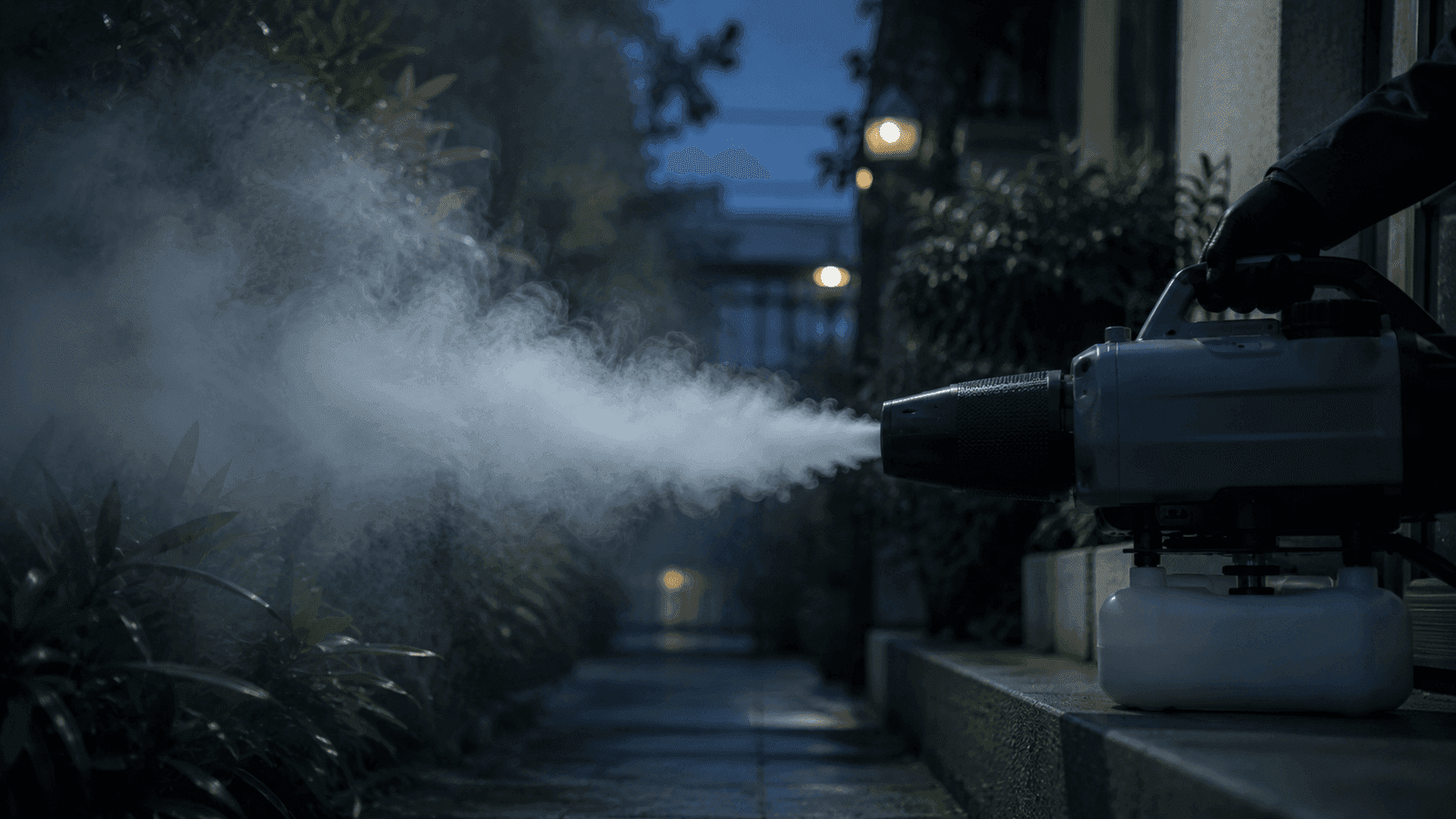
If your neighbourhood has persistent mosquito problems, coordinate with building management and the relevant civic authorities to address breeding sites outside your individual home. A professional mosquito control programme can also cover compound-level breeding points that residents cannot reach.
Health tip: Do not ignore fever during or after the monsoon. Malaria, dengue and leptospirosis can have overlapping symptoms. Seek medical advice promptly rather than self-medicating or assuming the cause.
2. Rats in Your Building, Not Just on the Street
Rats can enter homes through gaps around doors, pipes, drains and other openings. In Mumbai's older buildings and densely populated neighbourhoods, poor waste management and accessible food sources can encourage rodent activity.
Rodents can contaminate food and surfaces through their urine, droppings and saliva. They can also damage stored items and electrical wiring.
Warning signs of a rat problem:
- Droppings inside cupboards or storage areas.
- Gnaw marks on food packaging, furniture or wires.
- Scratching noises in ceilings or concealed spaces.
- Torn packaging or shredded nesting material.
- Repeated sightings near garbage areas or building entrances.
How to reduce rodent risks:
- Seal suitable gaps around pipes, doors and windows.
- Keep garbage in covered bins and dispose of waste regularly.
- Store food in tightly sealed containers.
- Keep shared garbage areas clean and reduce clutter.
- Avoid touching rodent droppings or urine with bare hands.
If you find rodent waste, do not sweep or vacuum it while dry. Follow appropriate disinfection and safe-cleanup guidance, use suitable protective equipment, and seek professional help for heavy contamination.
During Mumbai's monsoon, avoid walking barefoot through potentially contaminated floodwater, especially if you have cuts or broken skin. Seek medical advice after a concerning exposure or if you develop symptoms.
Rodents are the second common way pests and family health intersect in Mumbai buildings: the entry point is usually shared, not inside the flat. For recurring activity, professional rodent control can identify those entry points and set up monitored bait stations.
3. Cockroaches Hiding in Your Kitchen
Cockroaches thrive where food, moisture and shelter are available. They often hide behind refrigerators, inside kitchen trolleys, beneath sinks and around plumbing openings.
Even a kitchen that looks clean can have concealed cockroach activity.
How cockroaches can affect your family
Cockroaches can contaminate food and food-contact surfaces. Their droppings, saliva and shed body parts can also contribute to indoor allergens that trigger allergic reactions or worsen asthma in susceptible individuals.
Signs of cockroach activity:
- Cockroaches appearing when cabinets open.
- Small, dark droppings in drawers or corners.
- Egg cases near appliances or concealed spaces.
- Repeated sightings around sinks and drains.
How to prevent cockroaches:
- Clean food crumbs and spills promptly.
- Avoid leaving dirty dishes or uncovered food overnight.
- Store flour, rice, lentils and snacks in airtight containers.
- Repair kitchen and bathroom leaks.
- Seal suitable cracks and gaps around cabinets and plumbing.
- Keep waste bins covered and clean.
Seeing cockroaches during daylight may indicate substantial activity, but the timing of a sighting alone cannot confirm the size of an infestation. The kitchen is also where pests and family health overlap most directly, since food and preparation surfaces are in the same room as the harbourage.
If cockroaches keep returning despite regular cleaning, consider a professional inspection to identify their hiding places and determine an appropriate treatment. Professional cockroach control uses targeted placement rather than broad spraying in most kitchen settings.
4. Flies and Ants Contaminating Your Food
Houseflies can move between waste, drains and food preparation areas, potentially transferring harmful microorganisms. Ants may also enter kitchens in search of crumbs, sweets and uncovered food.
During the monsoon, moisture and waste management problems can make pest prevention more challenging.
Common warning signs:
- Flies repeatedly landing on uncovered food.
- Ant trails along kitchen shelves or walls.
- Small flies hovering around damp sinks or drains.
- Insects entering food containers or sweet boxes.
How to protect food at home:
- Keep cooked food covered, including during short periods between meals.
- Store sweets, snacks and prasad in clean, airtight containers.
- Clean kitchen counters and remove crumbs promptly.
- Maintain clean drains and address persistent moisture.
- Install suitable mesh screens if flies repeatedly enter through windows.
- Empty garbage bins regularly and keep them covered.
If small flies persist around drains, inspect the area for accumulated organic material and moisture rather than relying only on general room cleaning.
Good food hygiene and waste management can reduce the conditions that attract flies and ants. If an infestation continues, a professional inspection may help identify the source.
5. Unsafe Pest Control Can Create Additional Risks
Pest control should help protect your family, not introduce avoidable exposure to pesticides.
The safety of a treatment depends on the product used, its application, the location being treated and whether the manufacturer's instructions are followed. No single treatment method is automatically the safest choice for every home.
Most discussions of pests and family health focus on the pest itself. The treatment deserves the same scrutiny.
Before hiring a pest control provider in Mumbai, ask these important questions.
Are the products authorised for the intended use?
Ask the provider which products will be used and whether they are registered or approved for the relevant use under applicable Indian requirements.
What treatment will be used in the kitchen?
Ask how food, utensils, preparation surfaces and storage areas will be protected. Gel baits may be suitable for certain cockroach problems, but the appropriate method depends on the situation.
How long should children and pets stay away?
Request clear instructions about access restrictions, ventilation, cleaning and when treated areas can be used again.
Are alternative treatment options available?
Ask whether lower-exposure or non-chemical approaches are suitable for your home. Terms such as herbal or low-toxicity do not automatically mean a product is harmless, so request details about the actual treatment.
How Prime Pest Control Approaches Home Pest Management
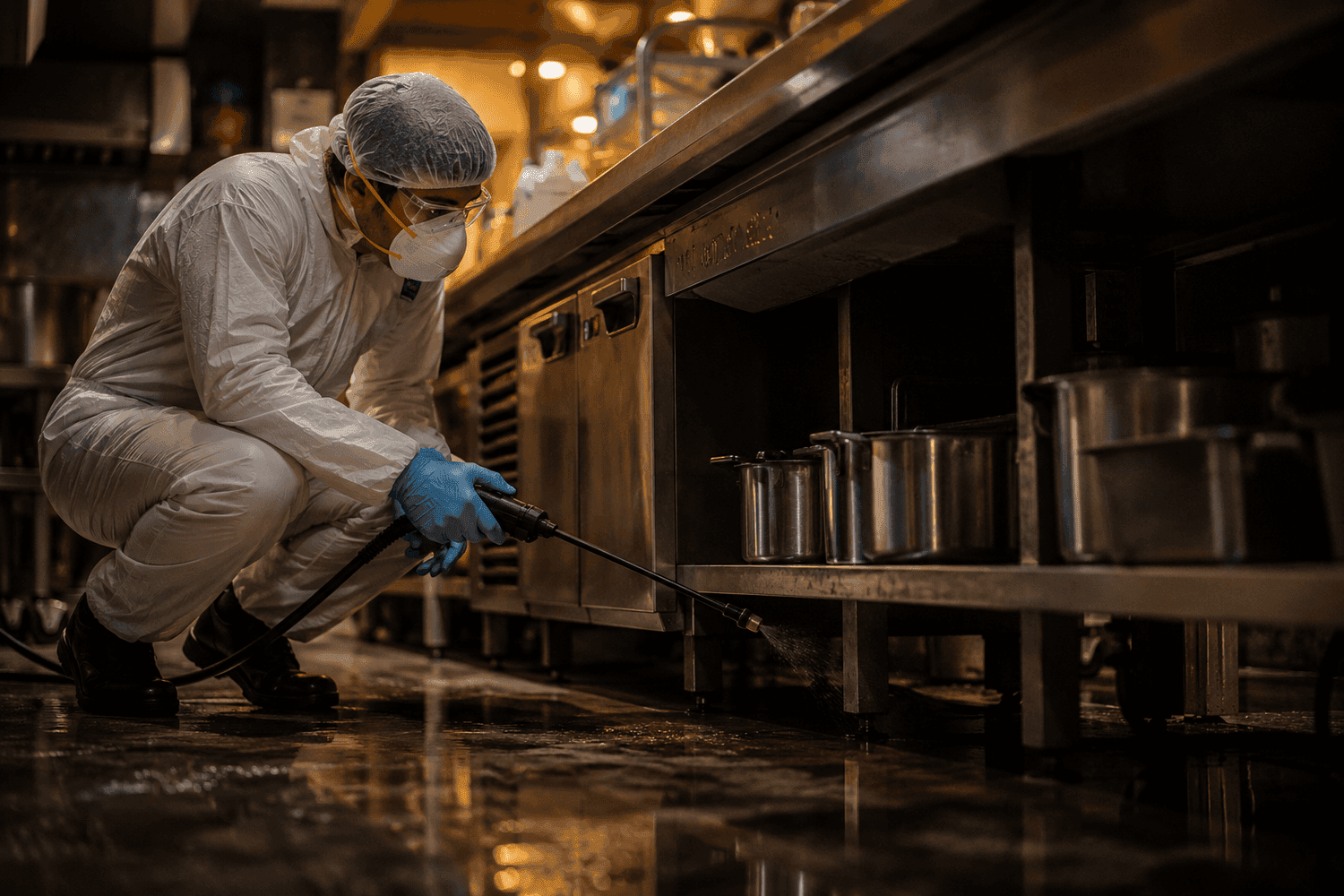
Prime Pest Control starts each job with an inspection and a written scope, then conducts a post-treatment check. Kitchens are treated with odourless gel wherever the site allows it, and herbal options are available for certain homes.
Ask the technician which approach is appropriate for your infestation and what precautions your family should follow.
Choosing a provider that explains the treatment, its limitations and the required safety measures can help you make a more informed decision.
When Should You Call a Professional Pest Control Service?
Routine cleaning and preventive measures are important, but some situations require a closer inspection.
Consider professional pest control if you notice:
- Cockroaches appearing repeatedly or in several rooms.
- Rat droppings, gnaw marks or suspected rodent nesting indoors.
- Termite mud tubes or unexplained damage to wooden furniture.
- Persistent mosquito activity despite removing standing water.
- Bed bug evidence, such as live insects or recurring signs around mattresses and bed frames.
- A pest problem affecting multiple flats or shared areas of your building.
A professional inspection can help identify the pest, assess the extent of the problem and recommend an appropriate treatment plan.
For building-wide issues, coordinate with your housing society or property management so that shared entry points, garbage areas and other common spaces can also be assessed.
Book a Pest Inspection with Prime Pest Control in Mumbai
Protecting your family starts with recognising pest problems early and taking practical steps to reduce them.
From mosquitoes breeding around balconies to rats entering through building gaps and cockroaches hiding inside kitchen cabinets, pest activity should not be ignored when it becomes persistent.
Prime Pest Control has operated as a BMC-authorised pest control operator since 2010, serving Mumbai, Thane and Navi Mumbai. The team handles homes, housing societies, hospitals, offices and food businesses.
If you are noticing recurring pest activity, arrange an inspection to understand the problem and discuss suitable treatment options.
Contact Prime Pest Control to book a site inspection. Call +91-8070523555 or +91-8070523777, or request a free inspection online.
Pests and family health are connected, and early action makes the difference. Take preventive action, maintain good hygiene, and address problems before they become more difficult to manage.